
Japanese bird baths, more than just functional water sources, embody a deep-rooted aesthetic steeped in centuries of tradition. Their minimalist design, often incorporating natural materials and meticulously crafted details, creates a serene and tranquil atmosphere. This aesthetic transcends simple functionality, aiming to foster a harmonious connection with nature.
Beyond the visual appeal, the design principles of Japanese bird baths reflect a philosophy of simplicity, balance, and respect for the natural world. Key elements, from the careful selection of materials to the strategic placement within a landscape, contribute to the overall harmony and visual impact.
Defining the Aesthetic
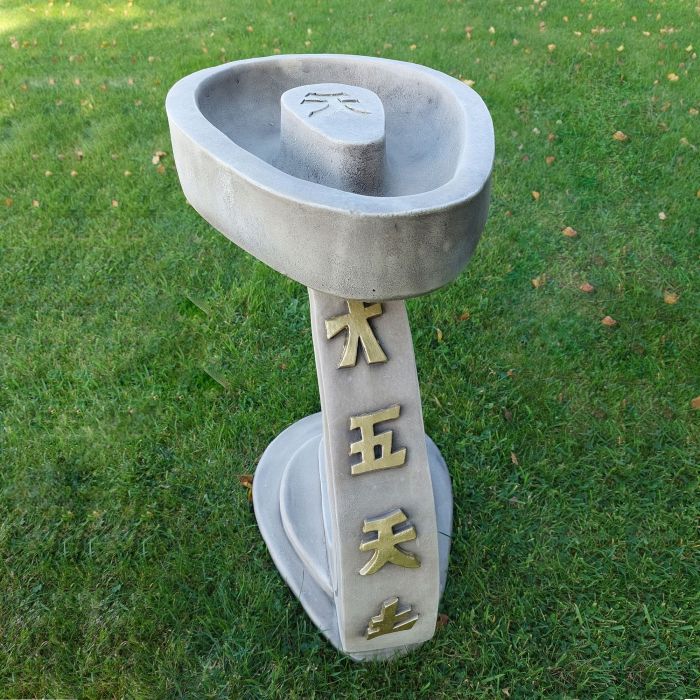
The Japanese bird bath aesthetic, often seen in gardens and courtyards, evokes a serene and harmonious atmosphere. It’s a visual language rooted in centuries of cultural and philosophical traditions, emphasizing simplicity, natural beauty, and the interconnectedness of humans and nature. This aesthetic is more than just a design; it’s a reflection of a deep-seated respect for the environment and a desire to create spaces that foster tranquility.This aesthetic is not merely about mimicking nature; it’s about interpreting and representing it in a way that resonates with Japanese sensibilities.
The key visual and design elements, color palettes, materials, and historical influences all contribute to this distinctive character.
Visual and Design Elements
The design of Japanese bird baths prioritizes understated elegance and a connection to the natural world. Clean lines, often geometric, are favored over ornate details. Shapes are frequently inspired by natural forms like flowing water, cascading foliage, and tranquil ponds. Open spaces are left to allow for the free flow of air and light, creating a feeling of spaciousness and allowing the natural beauty of the surrounding environment to shine through.
Integration with the surrounding landscape is paramount, ensuring the bird bath seamlessly blends into its environment.
Color Palettes
Common color palettes in Japanese bird baths reflect a harmonious relationship with nature. Muted tones, like soft greens, earthy browns, and calming blues, are prevalent. These colors evoke a sense of tranquility and serenity, drawing inspiration from the natural world. Variations in these colors, such as subtle gradations and nuanced shades, add depth and richness to the design.
A focus on subtlety and harmony over vibrant color contrasts distinguishes this approach.
Historical and Cultural Influences
Japanese aesthetics, including the bird bath design, are deeply rooted in Shinto and Zen Buddhist philosophies. These philosophies emphasize harmony with nature, mindfulness, and the appreciation of natural beauty. The concept of “wabi-sabi,” a Japanese aesthetic that embraces imperfection, impermanence, and natural beauty, finds expression in the minimalist and understated designs often seen in Japanese bird baths. The respect for nature and the desire for peaceful contemplation are integral to the design choices.
Materials
The materials used in Japanese bird baths are often chosen for their natural beauty and durability. Wood, particularly hardwoods like cedar or cypress, is a common choice, reflecting a reverence for nature and sustainable practices. Stone, particularly polished river stones or smooth, natural stones, is also frequently used to create a sense of grounding and permanence. The selection of materials is intentional, reflecting the connection to the earth and the importance of natural elements.
The use of ceramics is another option, adding a touch of craftsmanship and elegance.
Design Principles
The Japanese bird bath aesthetic, rooted in centuries of mindful design, prioritizes harmony with nature. This translates into a visual language of understated elegance, utilizing natural materials and meticulous attention to detail. The design principles are not merely decorative; they reflect a deep respect for the environment and the creatures that inhabit it.This aesthetic transcends the typical bird bath, aiming to seamlessly integrate into the surrounding landscape.
It emphasizes the importance of creating a space that is both functional and beautiful, a reflection of the natural world itself.
Minimalism and Simplicity
The minimalist approach in Japanese design emphasizes the essential form, stripping away unnecessary ornamentation. This translates to a bird bath with clean lines, uncluttered surfaces, and a focus on the fundamental elements of the structure. The aesthetic avoids busy patterns or superfluous embellishments, allowing the natural beauty of the materials and the surrounding environment to take center stage.
The simplicity is not a lack of refinement, but rather a careful selection of the most impactful elements.
Natural Materials
The use of natural materials is central to the Japanese aesthetic. This might include stone, wood, or bamboo, each chosen for its inherent beauty and durability. These materials are often left in their raw state, highlighting their natural textures and colors. For instance, a bird bath crafted from polished river stones would evoke a sense of serene naturalness, while a wooden structure, meticulously carved, would reflect the inherent strength and beauty of the wood.
The materials are selected for their ability to blend seamlessly with the surrounding landscape.
Harmony and Balance
The concept of harmony and balance is paramount. The bird bath design should feel integrated into the surrounding environment, reflecting the principles of shizen (naturalness) and wa (harmony). This is achieved through careful consideration of proportion, scale, and color. For example, a bird bath crafted from dark gray stone would complement a landscape with similar tones, creating a unified visual experience.
The placement of the bath within the garden is also crucial, ensuring a harmonious relationship between the structure and the surrounding plants and features.
Comparison with Other Styles
Other styles of bird baths may prioritize bold colors, elaborate designs, or whimsical features. In contrast, the Japanese aesthetic is characterized by restraint and subtle elegance. The focus is on the beauty of the natural world, rather than creating a decorative focal point. This difference is reflected in the use of materials, the overall form, and the subtle integration into the surrounding environment.
Japanese Garden Design Principles
Japanese garden design principles heavily influence the bird bath aesthetic. The principles of engawa (covered walkway), tsukubai (stone basin), and karesansui (dry landscape garden) all contribute to a sense of serenity and tranquility. The tsukubai, a shallow basin used for ritual washing, provides a clear analogy to the bird bath, reflecting the desire to create a space for both humans and nature.
The karesansui, with its use of carefully placed stones and gravel, represents the meticulous attention to detail and harmony found in the bird bath design. A bird bath, carefully integrated into a karesansui style garden, would embody the essence of this aesthetic, creating a miniature landscape for birds to enjoy.
Elements of Nature
The Japanese bird bath aesthetic draws deeply from the nation’s profound connection with nature. This reverence for the natural world manifests in a harmonious integration of plants, lighting, and water features, creating a tranquil and serene atmosphere. The aesthetic aims to evoke a sense of peace and connection with the surrounding environment, reflecting the Japanese philosophy of wabi-sabi, appreciating the beauty in imperfection and impermanence.
Integration of Plants and Natural Lighting
Natural elements like plants and lighting are central to the design, not merely as decorative elements but as integral components of the overall experience. Strategic placement of foliage creates visual interest and a sense of depth. The selection of plants, their sizes, and their arrangement contribute to the overall visual harmony and the feeling of a natural extension of the surrounding landscape.
Natural light, filtered through leaves and branches, casts soft, dappled shadows that add depth and dynamism to the space, enhancing the serenity and ambiance.
Types of Plants Incorporated
The choice of plants often reflects native Japanese species, known for their adaptability and aesthetic appeal. Bamboo, with its elegant, slender stalks, is frequently incorporated, symbolizing strength and flexibility. Japanese maples, prized for their vibrant autumn foliage, are another popular choice, adding a splash of color and a seasonal element to the design. Ferns, known for their delicate fronds, contribute to the overall sense of tranquility and natural beauty.
Other choices might include flowering cherry blossoms, plum trees, or even various types of moss, adding texture and visual interest throughout the year.
Incorporation of Water Features and Their Visual Impact
Water features, such as small ponds or cascading streams, play a significant role in these designs. The gentle sound of flowing water is soothing and contributes to the tranquil ambiance. Water, in Japanese aesthetics, often represents purity, serenity, and the cyclical nature of life. The reflective surface of water also amplifies the surrounding environment, creating a sense of depth and visual harmony.
The way water interacts with the plants and light further enhances the overall visual appeal, adding an element of dynamic beauty to the scene.
Symbolism of Specific Plants and Their Meaning in Japanese Culture
Many plants in Japanese culture hold symbolic significance. Their incorporation into the bird bath design further enhances the aesthetic’s depth and meaning. For instance, bamboo symbolizes strength, flexibility, and longevity. Cherry blossoms, known for their ephemeral beauty, represent the transient nature of life and the beauty of impermanence. The selection and placement of plants are not arbitrary; they carefully consider the symbolism to evoke specific emotions and ideas.
Examples of Plants in Japanese Bird Baths
| Plant | Symbolism | Role in Japanese Bird Baths |
|---|---|---|
| Bamboo | Strength, flexibility, longevity | Provides structural support, creates visual interest, and contributes to the overall sense of harmony. |
| Japanese Maple | Autumn beauty, transience | Adds seasonal color, especially during autumn, and enhances the dynamic beauty of the design. |
| Cherry Blossom | Ephemeral beauty, transience of life | Adds a touch of delicate beauty, highlighting the seasonal aspect of the design and representing the impermanence of life. |
| Fern | Tranquility, beauty | Adds a sense of delicate beauty, enhancing the overall tranquility and natural charm of the space. |
Materials and Craftsmanship
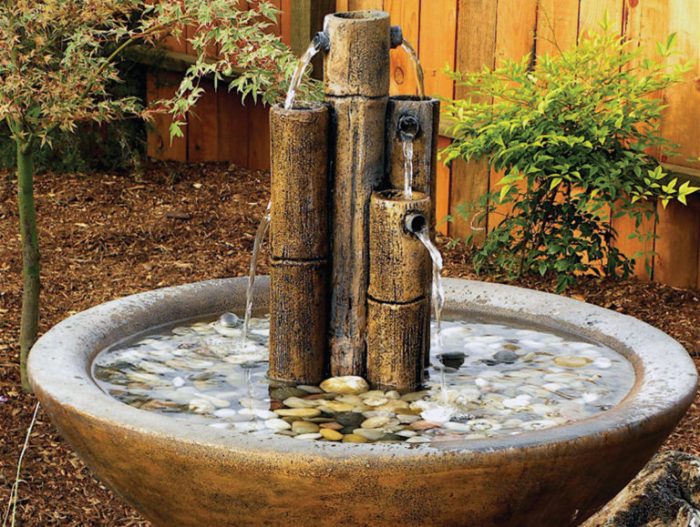
Japanese bird baths, imbued with centuries of aesthetic refinement, showcase a deep respect for natural materials and meticulous craftsmanship. The careful selection of materials, coupled with traditional techniques, elevates these functional objects into artistic statements, reflecting the enduring cultural values of Japan. The artistry extends beyond mere utility, resonating with a harmonious connection between human creation and the natural world.The meticulous selection of materials and application of time-honored techniques are paramount to achieving the desired aesthetic.
The interplay between natural elements and refined human skill creates a synergy that distinguishes these bird baths. Natural finishes, often derived from plant extracts or minerals, further enhance the connection to the surrounding landscape, fostering a sense of tranquility and enduring beauty.
Traditional Japanese Materials
The choice of materials for a Japanese bird bath often mirrors the surrounding environment. Natural materials such as wood, stone, and ceramic, each possessing unique qualities, are employed to craft the structure. Wood, sourced from sustainably managed forests, is frequently chosen for its ability to blend seamlessly with the landscape. Different species of wood exhibit varying textures and tones, allowing for subtle variations in the aesthetic of each piece.
Stone, often sourced from local quarries, brings a sense of permanence and earthiness to the design. The selection of stone, whether polished or rough-hewn, contributes to the overall visual impact. Ceramic, with its inherent strength and versatility, also plays a significant role in certain designs.
Craftsmanship Techniques
Exceptional craftsmanship is an integral part of creating a high-quality Japanese bird bath. Woodworking techniques, passed down through generations, play a crucial role in shaping the form and function of these structures. Techniques like joinery, where pieces of wood are precisely fitted together without the use of nails or screws, are common. This approach emphasizes the inherent strength and beauty of the wood, showcasing the skill of the artisan.
Other techniques, like carving and inlaying, add further depth and intricacy to the design, enhancing the aesthetic appeal and cultural significance.
Natural Finishes and Aesthetic Impact
Natural finishes, often derived from plant extracts or minerals, are meticulously applied to the bird bath. These finishes, rather than masking the natural beauty of the materials, enhance their aesthetic appeal. They also contribute to the longevity of the piece, protecting the wood from the elements while maintaining its natural warmth and texture. The subtle variations in color and tone resulting from natural finishes further enhance the connection to the surrounding environment, creating a harmonious integration between the man-made and natural world.
Material and Craftsmanship Analysis
| Material | Craftsmanship Details | Cultural Significance | Visual Impact on Bird Bath Aesthetic |
|---|---|---|---|
| Japanese Cedar | Precision joinery, intricate carvings, subtle surface treatments | Symbol of strength, longevity, and harmony with nature; often associated with tranquility and spirituality | Warm, natural tones; seamless integration with surrounding landscape; refined, elegant aesthetic |
| Locally Quarried Stone | Smooth polishing or rough-hewn finish, precise placement | Represents permanence, strength, and connection to the earth; often used in traditional Japanese gardens | Solid, grounded presence; adds a sense of permanence and earthiness; complements the natural surroundings |
| Ceramic | Glazing techniques that create a range of colors and textures; intricate patterns or simple forms | Symbol of craftsmanship and artistry; reflects the enduring tradition of pottery in Japan | Provides a smooth, polished surface; adds a unique aesthetic dimension; can showcase artistic expression |
Placement and Surroundings
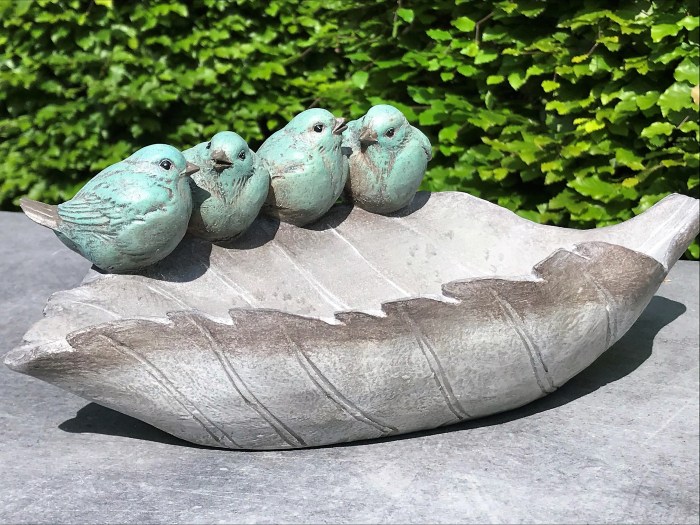
A Japanese bird bath, with its minimalist elegance and deep connection to nature, demands careful consideration of its surroundings. Its placement within a garden or landscape is crucial for maximizing its visual impact and creating a harmonious environment. The interplay of the bird bath with surrounding elements—vegetation, hardscaping, and even the subtle interplay of light and shadow—is paramount to achieving the intended aesthetic.The ideal location for a Japanese bird bath should be a spot that allows both the bath and the surrounding landscape to be appreciated.
Strategic positioning is key to maximizing the serene ambiance and creating a focal point that invites contemplation and appreciation of nature. The bath should be visible but not overwhelming, and its surroundings should amplify its beauty rather than compete with it.
Ideal Placement
Careful consideration of the placement of the bird bath is paramount. It should be situated in a spot that allows for easy observation of the birds and the surrounding environment. A gentle slope or a slight elevation can enhance the perspective and create a sense of tranquility. The position should facilitate natural light to highlight the bath’s materials and the surrounding landscape throughout the day.
Furthermore, the placement should minimize disturbance from foot traffic or other human activity. Consider privacy and seclusion for a truly immersive experience.
Surrounding Vegetation
The surrounding vegetation plays a vital role in shaping the overall aesthetic. Native Japanese plants, characterized by their graceful forms and delicate textures, are ideal. Bamboo, with its slender stalks and rustling sounds, can create a soothing atmosphere. Evergreen trees and shrubs offer a backdrop of lasting beauty and provide shade and shelter for birds. Deciduous trees offer seasonal changes, adding depth and variety to the scene.
The choice of vegetation should complement the materials and craftsmanship of the bird bath, creating a cohesive and balanced design. A variety of textures, heights, and colors within the planting design will also enhance the overall visual appeal.
Landscape Layout
A thoughtfully designed landscape layout should integrate the Japanese bird bath seamlessly. A path leading to the bath, paved with smooth stones or gravel, can provide a tranquil pathway for observation. The surrounding area should be maintained with meticulous attention to detail, ensuring that weeds and unwanted vegetation are kept at bay. A small rock garden or a moss-covered area can enhance the traditional Japanese aesthetic.
A gentle incline or a slight elevation around the bird bath can create a natural focal point, drawing the eye and enhancing the visual appeal of the surroundings. The key is to create a tranquil and serene atmosphere, fostering an appreciation for the subtle beauty of nature.
Placement Considerations
| Placement Considerations | Surrounding Vegetation | Visual Effects |
|---|---|---|
| Open space with a gentle slope | Bamboo grove, low-growing shrubs, evergreen trees | Tranquil, serene atmosphere, emphasizes natural flow |
| Near a pond or water feature | Water lilies, reeds, ferns | Harmonious blend of water and nature, peaceful and reflective |
| Under a canopy of trees | Deciduous trees, flowering shrubs | Seasonal changes, dappled light, inviting shade |
Symbolism and Cultural Context
The Japanese bird bath aesthetic, rooted in centuries of tradition, draws heavily on the profound symbolism embedded within Japanese culture. Water, birds, and the harmonious relationship with nature all hold deep spiritual and philosophical meaning, shaping the design and placement of these serene structures. Understanding these cultural nuances elevates the aesthetic beyond mere beauty, imbuing it with a profound sense of history and meaning.The design elements aren’t merely decorative; they evoke a connection to the natural world and the spiritual realm that lies within.
This connection is vital to the overall impact and appreciation of the aesthetic.
Symbolism of Water
Water, a cornerstone of Japanese aesthetics, represents purity, cleansing, and the continuous cycle of life and death. The flowing nature of water mirrors the ever-changing dynamism of existence, a concept central to Shinto and Buddhist philosophies. The presence of water in a bird bath evokes a sense of serenity and renewal. Furthermore, water in Japanese culture is often associated with the concept ofshizen*, or natural beauty, underscoring the harmonious integration of the human realm with the natural world.
This reverence for nature is evident in the careful selection of water features and the surrounding landscape.
Symbolism of Birds
Birds, frequently featured in Japanese art and culture, symbolize freedom, grace, and the journey to enlightenment. Their ability to soar through the air connects them to the spiritual realm, a theme often explored in traditional Japanese poetry and painting. The presence of birds in a bird bath suggests a connection to the natural world and the spiritual elevation that can be found within it.
The elegant movement and diverse species of birds featured in the aesthetic often reflect the variety of spiritual paths and the interconnectedness of all things.
Connection Between Nature and Spirituality
Nature in Japanese culture is deeply intertwined with spirituality. The concept ofwabi-sabi*, appreciating the beauty of imperfection and transience, finds its roots in this close relationship. The aesthetic seeks to emulate the natural beauty of the environment, fostering a connection to the natural world and promoting tranquility. This connection is further strengthened by the inclusion of natural elements like rocks, stones, and plants, which create a sense of place and reverence for the surrounding environment.
The beauty of nature is often seen as a reflection of the divine, enriching the experience for those who observe it.
Incorporation of Symbolism in Design
The symbolism is carefully integrated into the design. For example, the shape of the bird bath might echo natural forms, like a gently sloping rock face or a flowing stream. The placement of the bath is also crucial; it should ideally be situated in a serene and tranquil area, allowing for the unobstructed contemplation of the natural beauty and symbolism around it.
The careful selection of materials, such as polished stone or weathered wood, also contributes to the aesthetic, reinforcing the natural and spiritual connection.
Symbolism Table
| Symbol | Meaning |
|---|---|
| Water | Purity, cleansing, life cycle, natural beauty, serenity, renewal |
| Birds | Freedom, grace, spiritual journey, connection to nature, variety of paths |
| Nature | Spirituality, tranquility, wabi-sabi (beauty of imperfection), connection to the divine |
Modern Interpretations
The enduring allure of Japanese bird baths transcends time, adapting to contemporary sensibilities while retaining their core principles of tranquility and connection with nature. Modern interpretations often employ innovative materials and techniques, reflecting the evolving design landscape while honoring the traditional aesthetic. This evolution allows the beauty of the bird bath to resonate with a broader audience.Contemporary designs are often characterized by a fusion of traditional elements with modern aesthetics.
This fusion is evident in the use of sleek, minimalist forms, combined with natural materials like polished stone or weathered wood, creating a harmonious balance between the ancient and the new. These designs also consider the interplay of light and shadow, showcasing the beauty of the natural surroundings.
Contemporary Materials and Techniques
Modern materials like stainless steel, powder-coated aluminum, and high-strength glass are increasingly used in bird baths. These materials offer both durability and a wide spectrum of design possibilities, enabling architects and artisans to create intricate and visually stunning forms. The application of advanced manufacturing techniques allows for precision in the creation of intricate details and the use of non-traditional shapes, moving beyond the traditional rounded forms.
For instance, a modern bird bath might feature a sculpted, aerodynamic design crafted from powder-coated aluminum, highlighting both function and form.
Modern Design Incorporating Traditional Elements
Contemporary designers often integrate traditional elements into their modern designs. The use of traditional Japanese woodworking techniques, like joinery and the careful selection of wood species, can be seen in modern bird baths. These techniques ensure a connection to the past while maintaining a contemporary look. For example, a modern bird bath might incorporate the traditional “shoji” screen motif using a translucent glass material, allowing light to filter through and create a soft, diffused ambiance.
This blending of tradition and modernity often results in pieces that are both aesthetically pleasing and functional.
Role of Modern Technology in Crafting Bird Baths
Modern technology plays a significant role in the creation of Japanese bird baths. Computer-aided design (CAD) software allows for precise modeling and complex shapes that would be difficult or impossible to achieve with traditional methods. 3D printing is also being used to create intricate details and customized designs, opening up a wide range of possibilities. For example, 3D-printed components can be integrated into a bird bath to create intricate water features, or customized support structures that maintain the balance of the design.
Such advancements allow for a balance between the aesthetic and functionality of the design, resulting in pieces that are both visually striking and structurally sound.
Maintenance and Durability
Preserving the serene beauty and longevity of a Japanese bird bath requires a delicate balance of respect for tradition and practical maintenance. Proper care ensures the structure withstands the elements while retaining its aesthetic appeal, echoing the enduring spirit of Japanese craftsmanship. This meticulous approach, often passed down through generations, underscores the importance of maintaining these architectural gems.Maintaining the aesthetic and structural integrity of these delicate creations necessitates understanding the materials’ inherent qualities and the environmental conditions they will face.
This involves proactive measures rather than reactive fixes. By implementing a preventative approach, the bird bath can endure for generations, reflecting the enduring principles of Japanese design.
Traditional Material Durability
The longevity of Japanese bird baths hinges significantly on the quality of the materials used. Historically, natural materials like stone, wood, and ceramic were favored for their inherent durability and aesthetic appeal. Stone, particularly weathered granite or slate, can endure centuries of exposure to the elements, retaining its shape and aesthetic despite weathering. Wood, often treated with natural preservatives like lacquer or tung oil, demonstrates impressive resilience when properly maintained.
Ceramic, glazed or unglazed, provides a robust surface resistant to many forms of degradation, with glazed varieties particularly well-suited to weathering. The choice of material, often dictated by the region’s resources and traditions, directly impacts the bird bath’s lifespan.
Cleaning Methods for Different Materials
Maintaining the pristine appearance of a Japanese bird bath involves appropriate cleaning methods tailored to the material. For stone bird baths, a gentle scrub with a soft-bristled brush and mild soap solution is often sufficient. Avoid harsh chemicals or abrasive cleaners that could damage the surface. Wood surfaces require regular cleaning with a soft cloth and mild soap solution, followed by a protective sealant application to prevent moisture damage and retain its natural beauty.
Ceramic bird baths, especially those with glazed surfaces, can be cleaned with a gentle scrub using a soft sponge or cloth and a mild soap solution. Avoid abrasive materials that could scratch or damage the glaze.
Maintenance Schedule
Regular maintenance, including cleaning and inspection, is crucial for preserving the longevity of a Japanese bird bath. A simple weekly inspection for debris accumulation, such as leaves or bird droppings, can prevent damage and preserve the structure’s aesthetic appeal. Thorough cleaning should be performed at least twice a year, addressing any visible signs of deterioration or weathering. This proactive approach helps prevent long-term damage, preserving the integrity and beauty of the bird bath for generations to come.
Regular inspections for structural integrity, especially after periods of severe weather, are essential for long-term preservation.
Longevity of Structures
The longevity of Japanese bird baths is a testament to the careful consideration given to materials and construction techniques. Properly maintained stone bird baths can easily span centuries, passing through generations and reflecting the enduring spirit of Japanese design. Wood bird baths, when treated with natural preservatives and given regular care, can also demonstrate impressive longevity. Careful craftsmanship, attention to detail, and the use of high-quality materials contribute to the exceptional durability of these structures.
The longevity is a result of a thoughtful integration of aesthetic considerations with practical concerns.
Accessibility and Practicality
Japanese bird baths, meticulously crafted to harmonize with nature, must also prioritize avian accessibility. Their design should not only be aesthetically pleasing but also functional, ensuring birds can readily utilize the water source. The practical elements of a design directly impact its effectiveness and longevity, ensuring the bath serves its intended purpose.Designing a bird bath for avian needs involves understanding bird behavior.
Factors such as water depth, basin shape, and the presence of perches or landing areas significantly influence a bird’s comfort and willingness to bathe. Careful consideration of these details is essential for a successful design.
Ensuring Bird Accessibility
A bird bath’s efficacy hinges on its accessibility. The ideal depth for water should be shallow enough to allow small birds to bathe comfortably without fear of drowning. Furthermore, smooth, non-slip surfaces are crucial to prevent birds from slipping and injuring themselves. The addition of carefully placed perches allows birds to safely approach and depart from the water’s edge.
Practical Design Considerations
The practicality of a design extends beyond bird accessibility. The material used significantly impacts the longevity and maintenance of the bath. Durable, weather-resistant materials are essential to withstand the elements, preventing deterioration and minimizing the need for frequent repairs. The weight of the bird bath is another critical aspect. A lightweight design facilitates easy relocation or repositioning, crucial for adapting to changing environments or seasonal needs.
Furthermore, a design that minimizes water evaporation and prevents stagnant water is crucial for maintaining hygiene.
Examples of Aesthetically Pleasing and Practical Designs
Several designs exemplify the harmony between aesthetic appeal and practical functionality. A shallow, gently sloped basin allows easy entry and exit for birds of varying sizes. The incorporation of small, natural rocks or pebbles around the basin provides safe perching spots, mimicking natural surroundings. The use of a ceramic glaze on the basin’s surface offers a smooth, non-slip texture.
A subtle, natural color palette integrates the bath seamlessly into the environment. Another practical example features a raised basin with a gentle slope to the water, minimizing water loss and the buildup of debris.
Suitability for Various Environments
The suitability of a Japanese bird bath depends on the environment. A design suitable for a dense forest might differ from one for a spacious garden. For example, a smaller, more compact bath might be more appropriate for a smaller garden, whereas a larger, more elaborate design might be suitable for a larger space with ample room for birds to gather.
Additionally, the location of the bath within the environment is important, ideally placed in a location where birds can approach safely and from different angles, minimizing any threats.
A Balanced Design
A design balancing aesthetics and accessibility features a shallow, ceramic basin with a slightly sloped bottom, allowing for easy entry and exit. Smooth, non-slip surfaces ensure safety. A few carefully placed, natural stone perches are strategically positioned around the basin, offering safe access points. The basin’s color blends seamlessly with the surrounding environment, minimizing any visual disruption.
The basin’s material is resistant to weather damage, ensuring long-term usability. This balanced design prioritizes both visual appeal and avian comfort, making it ideal for various settings.
Image Inspiration
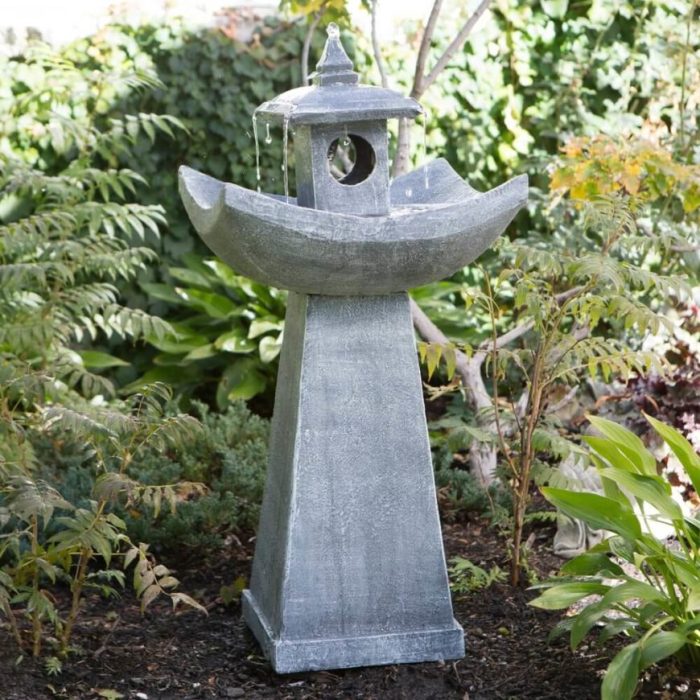
Japanese bird baths, steeped in centuries of tradition, offer a visual language that transcends mere functionality. Their aesthetic speaks volumes about harmony with nature, meticulous craftsmanship, and a deep respect for the natural world. These images, carefully curated, act as visual guides to embody the essence of the aesthetic, revealing the subtle nuances that make them captivating.
Visual Impact and Aesthetic Relation
The visual impact of a well-designed Japanese bird bath is undeniable. It harmoniously blends the natural elements with human artistry. The form, color palette, and placement are meticulously considered to create a serene and contemplative atmosphere. This integration of art and nature resonates deeply with the Japanese aesthetic of wabi-sabi, finding beauty in imperfection and transience.
The carefully chosen materials and the interplay of light and shadow further enhance the overall visual appeal.
Color Palette and Composition
Japanese bird baths often employ a restrained color palette, drawing inspiration from the natural world. Muted tones of earthy browns, grays, and greens dominate, evoking a sense of tranquility and connection with the surrounding landscape. These colors blend seamlessly with the surrounding environment, creating a feeling of harmony and integration. Compositionally, the bird bath is often placed to draw the viewer’s eye towards a specific element of nature, like a waterfall or a grove of trees.
This strategic placement underscores the importance of the natural environment in the design. The use of negative space further enhances the aesthetic, allowing the surrounding landscape to take center stage.
Lighting and Mood
Natural light plays a crucial role in enhancing the visual appeal of a Japanese bird bath. The interplay of sunlight and shadow creates depth and dimension, adding a dynamic quality to the static form. The soft, diffused light that filters through the trees further reinforces the serene and tranquil atmosphere. At dawn and dusk, the soft glow of the light casts a warm and inviting ambiance, ideal for observing the birds.
The soft, diffused light is crucial in evoking a sense of peace and contemplation. These lighting conditions underscore the natural beauty of the surroundings and create a sense of tranquility.
A Perfect Embodiment of the Aesthetic
Imagine a meticulously crafted ceramic bird bath, a muted gray-brown color, nestled within a lush bamboo grove. The bath, slightly elevated on a stone platform, is adorned with delicate, raised patterns reminiscent of flowing water. The surrounding environment is dense with foliage, creating a sense of seclusion and tranquility. Soft morning light filters through the leaves, illuminating the bird bath and casting subtle shadows across the ground.
A small stream trickles nearby, its gentle murmur adding to the serene atmosphere. A few birds alight on the bath’s rim, their movements adding a lively touch to the peaceful scene. This image encapsulates the essence of Japanese aesthetics – a harmonious blend of natural elements, meticulous craftsmanship, and a deep respect for the natural world. The tranquil atmosphere, combined with the subtle details, perfectly embodies the concept of wabi-sabi.
Integration into Different Spaces
Japanese bird baths, with their serene aesthetic and profound connection to nature, can seamlessly integrate into various garden styles. Their minimalist design and emphasis on natural materials allow for adaptable placement, enhancing the overall beauty and tranquility of the surrounding environment. Careful consideration of the surrounding space is key to achieving a harmonious blend.
Adapting to Diverse Garden Styles
Understanding the existing garden style is crucial for integrating a Japanese bird bath. A traditional Japanese garden, emphasizing raked gravel, carefully placed rocks, and miniature landscapes, provides a natural setting for a traditional bird bath. The understated elegance of the bath complements the garden’s tranquil atmosphere. A contemporary garden, featuring clean lines and modern materials, can also benefit from a Japanese bird bath, providing a touch of serene sophistication.
The contrasting styles can create an interesting visual interplay. A rustic garden, with its natural elements and organic forms, can incorporate a slightly larger, more substantial bird bath, allowing for a more integrated visual experience. The key is to choose a design that respects the existing aesthetic.
Contemporary Zen Garden Integration
A contemporary Zen garden, with its emphasis on simplicity and minimalist design, presents an ideal setting for a seamlessly integrated Japanese bird bath. The bath’s understated form and natural materials align perfectly with the garden’s aesthetic. To design a bird bath integrated into this style, consider the following elements:
- Material Selection: A simple, handcrafted ceramic or stone bird bath in a neutral color like gray, white, or black would complement the clean lines of the garden. Avoid overly ornate designs.
- Placement Strategy: Position the bird bath near a carefully raked gravel area or a small, tranquil water feature, ensuring it complements the existing elements. Avoid placing it in a visually cluttered area or directly under a large tree.
- Surrounding Elements: Incorporate carefully selected, natural rocks and plants that align with the minimalist aesthetic of the Zen garden. A few strategically placed, low-growing shrubs or moss patches can create a balanced and serene environment.
The resulting integration creates a serene space that invites contemplation and harmony with nature. The minimalist aesthetic allows the viewer to appreciate the beauty of the surrounding elements, creating a calming sanctuary.
Final Thoughts
In conclusion, the Japanese bird bath aesthetic is a captivating blend of artistry, practicality, and cultural significance. From the meticulous craftsmanship to the careful integration of natural elements, these bird baths offer a unique opportunity to cultivate a tranquil and aesthetically pleasing outdoor space. The enduring appeal of this style lies in its ability to connect us with nature’s beauty and serenity.
